
Can Creatine Affect Kidney Blood Tests? What Happened With Mine
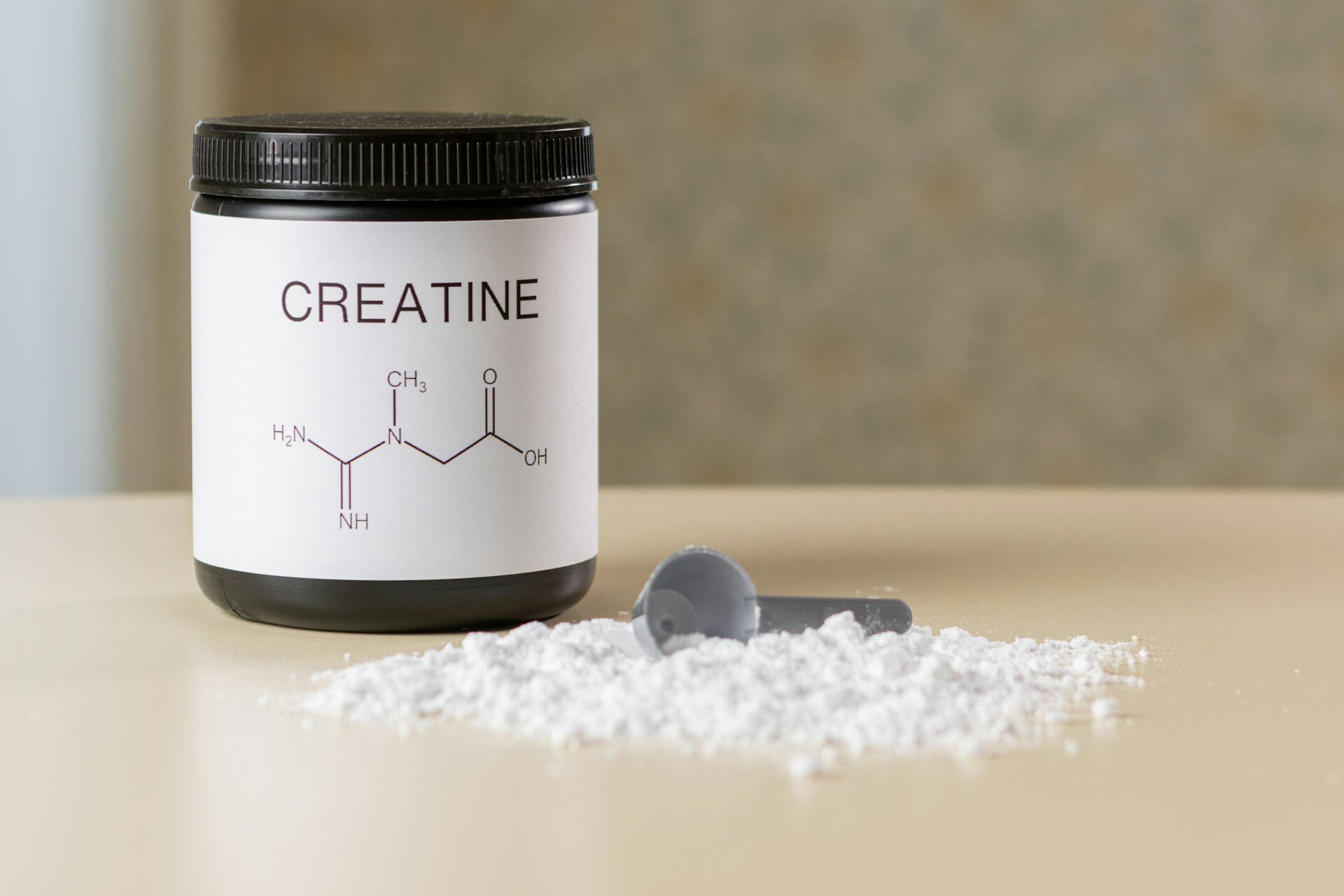
A few weeks ago, I went for a routine set of blood tests. When the results came back, I was told my kidney function appeared to have dropped significantly.
Like most people, hearing the words "reduced kidney function" immediately gets your attention. Even after years of working in health and fitness, it's difficult not to think the worst. The strange thing was that I felt absolutely fine.
I train regularly, eat well, stay hydrated and had no symptoms that would suggest there was anything wrong with my kidneys. The only thing that had changed was that I'd been consistently taking creatine.
Fortunately, after discussing the results with my GP and looking at the bigger picture, it became clear that the blood test might not have been telling the whole story. Current research continues to show that creatine supplementation does not damage healthy kidneys. However, it can affect one of the blood tests commonly used to estimate kidney function if interpreted without context.
What is creatinine?
Creatine is the supplement. Creatinine is a natural waste product produced by your muscles. Blood creatinine is a marker of kidney function, not a direct measure of kidney damage.
Can creatine increase creatinine levels?
Taking creatine increases your body's creatine stores. As a result, slightly more creatinine is produced. Your blood creatinine may rise even though your kidneys are functioning normally.
Why can creatine affect kidney blood test results?
The estimated Glomerular Filtration Rate (eGFR) is calculated largely from blood creatinine. If creatinine rises because of supplementation, eGFR may appear lower even when kidney function is unchanged.
What else can affect creatinine levels?
Heavy resistance training, greater muscle mass, dehydration, eating a large cooked meat meal and certain medications can all affect creatinine results.
How to reduce the chance of a false alarm
• Stay well hydrated.
• Avoid a very heavy training session for 24 to 48 hours before testing.
• Tell your healthcare professional you take creatine.
• Ask whether temporarily stopping creatine before testing is appropriate.
Double checking kidney function
Ask whether cystatin C, urine protein testing or repeat blood tests after hydration and rest would provide a clearer assessment.
My take home message
Don't panic and don't ignore an abnormal result. Make sure your clinician knows you take creatine and considers your training, hydration and overall health before drawing conclusions.